
Key Takeaways
- Mortgage payments don’t include all costs of homeownership
- Maintenance and repairs add up over time and require planning
- Utilities and HOA fees increase monthly expenses beyond your loan
- Budgeting upfront prevents financial surprises after closing
When buying a home, many buyers focus only on their monthly payment. However, that number doesn’t tell the full story. Understanding what’s not included in a mortgage payment, true cost of homeownership, homeownership expenses beyond mortgage, and hidden costs of owning a home is essential for building a realistic budget and avoiding surprises after closing.
What Your Mortgage Payment Typically Covers
Before exploring additional expenses, it’s important to understand what your mortgage usually includes. In many cases, your monthly payment consists of the following:
| Component | Mortgage Insurance | Included in Payment? |
| Principal | Repayment of the loan balance | Yes |
| Interest | Cost of borrowing money | Yes |
| Property Taxes | Local government taxes | Sometimes (if escrowed) |
| Homeowners Insurance | Protection for your home | Sometimes (if escrowed) |
| Mortgage Insurance | Required for low down payments | Sometimes |
Even so, these components represent only part of the overall cost of owning a home.
Common Homeownership Costs Not Included in Your Mortgage
While your mortgage covers major expenses, several ongoing costs fall outside of that monthly payment.
Homeowners Association (HOA) Fees
If your property belongs to an HOA, you’ll likely pay monthly, quarterly, or annual dues. These fees vary widely based on amenities and community services, and they are almost always separate from your mortgage.
Utilities
Your mortgage does not include utilities. Expenses like electricity, water, sewer, gas, trash collection, internet, and cable can add up quickly—especially if you move into a larger home.
Home Maintenance and Repairs
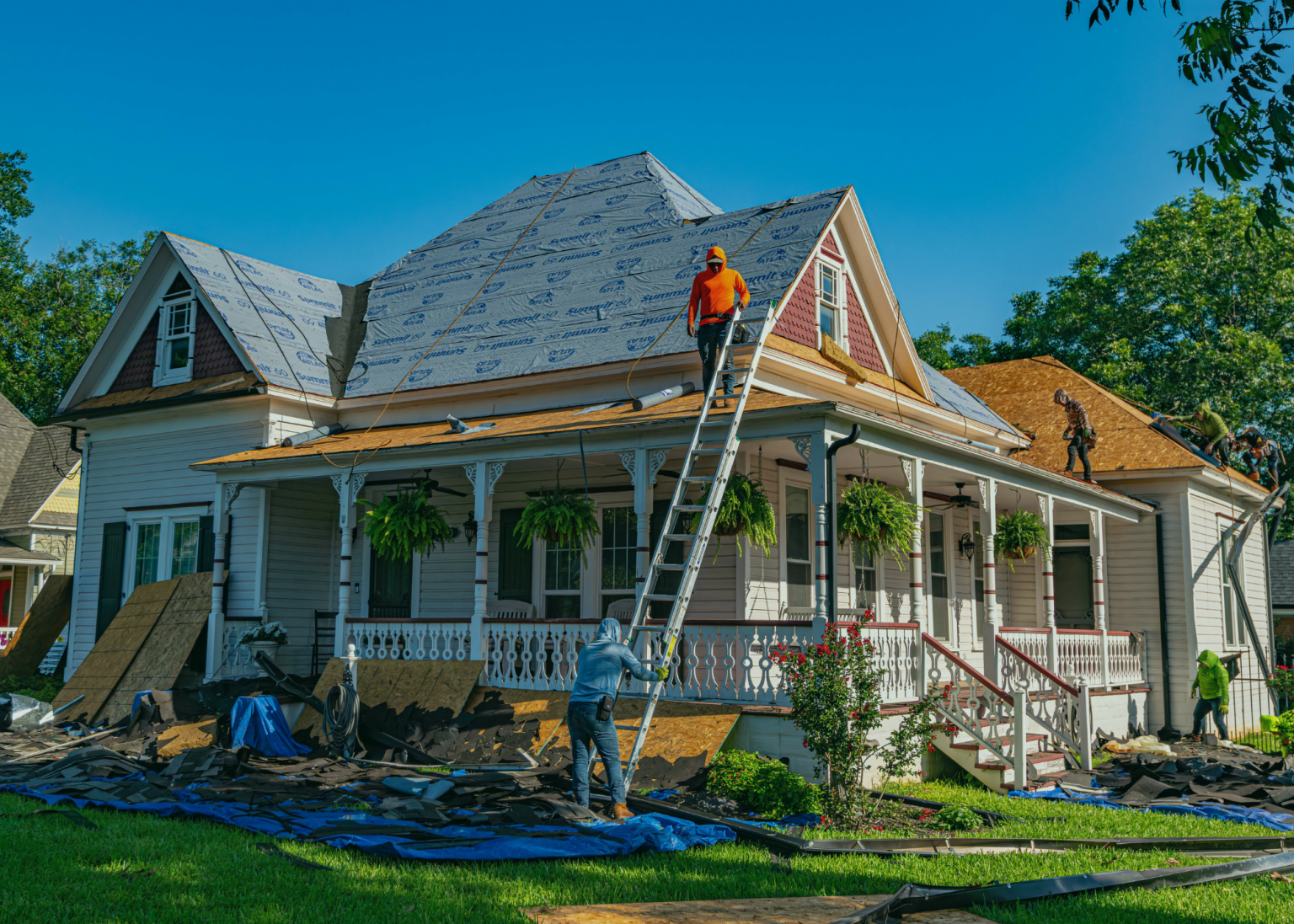
Owning a home means handling all upkeep. Routine maintenance, minor fixes, and major repairs all fall on you.
| Type of Expense | Examples | Frequency |
| Routine Maintenance | HVAC servicing, lawn care | Ongoing |
| Minor Repairs | Fixtures, paint touch-ups | Periodic |
| Major Repairs | Roof, plumbing, foundation | Unexpected |
Because of this, many experts recommend setting aside 1–3% of your home’s value annually for maintenance.
Home Improvement Costs
Beyond maintenance, many homeowners invest in upgrades. Remodeling kitchens, updating flooring, or improving landscaping can enhance your home—but these projects require separate budgeting.
Emergency Fund for Unexpected Expenses
Unexpected issues, such as a broken water heater or storm damage, can arise at any time. Therefore, building an emergency fund helps protect your finances when surprises occur.
Property Taxes and Insurance (Sometimes Separate)
Although many lenders escrow taxes and insurance, not all do. If yours doesn’t, you’ll pay these costs separately—often in large lump sums during the year.
Upfront Costs Not Included in Your Monthly Payment
In addition to ongoing expenses, several one-time costs occur during the homebuying process.
| Cost Type | What It Includes | When It’s Paid |
| Closing Costs | Lender, title, and underwriting fees | At closing |
| Appraisal & Inspection | Property valuation and condition checks | Before closing |
| Prepaid Expenses | Taxes, insurance, interest | At closing |
| Down Payment | Initial equity in the home | At closing |
These upfront costs can significantly impact your cash requirements, so planning ahead is critical.
Why These Costs Matter
A lower mortgage payment doesn’t always mean a home is affordable. In fact, additional costs like HOA fees, utilities, and maintenance can quickly increase your monthly expenses.
Therefore, evaluating the full cost of ownership allows you to make a more informed decision and avoid financial strain after closing.
Tips for Budgeting Beyond Your Mortgage
To stay financially prepared, take a proactive approach:
- Estimate monthly utilities based on home size and location
- Set aside savings for maintenance and long-term repairs
- Review HOA fees and community requirements before buying
- Build an emergency fund for unexpected expenses
- Ask your lender for a full monthly housing cost breakdown
By planning ahead, you gain more control over your finances and reduce the risk of surprises.
The Bottom Line
Your mortgage payment represents only one piece of the homeownership puzzle. By understanding the costs not included in a mortgage payment, you can budget effectively, plan ahead, and enjoy your new home with confidence.
FAQs
No SSN required. Zero impact to credit. Your Information is never sold.