


What Did Mortgage Rates Do This Week?
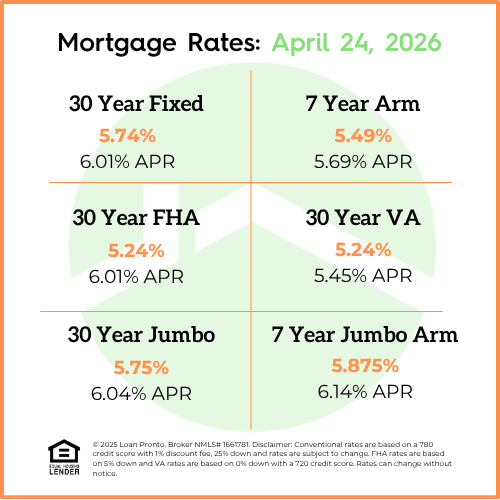
Mortgage rates held steady this week, staying about the same as last week as financial markets continued to look for clearer direction. While there wasn’t much movement in rates, one factor still influencing the mortgage market is oil prices.
Energy costs play an important role in inflation expectations, and inflation remains one of the biggest drivers of mortgage rate trends. When oil prices move higher or remain volatile, markets often react because rising energy costs can push inflation upward.
Because mortgage rates are closely tied to the bond market and inflation outlook, fluctuations in oil prices continue to create some uncertainty. For now, however, the mortgage rate market appears to be in a temporary holding pattern, with investors waiting for new economic signals before pushing rates significantly higher or lower.
For buyers and real estate professionals, stable mortgage rates can provide a helpful window where financing expectations remain more predictable.
What to Look Forward to Next Week
Next week, investors will be watching economic data releases and inflation signals that could influence mortgage rate direction.
Markets will also continue monitoring oil prices and overall bond market activity, both of which play a role in shaping mortgage rate trends.
If upcoming economic reports suggest inflation is cooling, mortgage rates could begin to move slightly lower. However, if inflation concerns remain elevated, especially due to higher energy prices, rates could remain stable or move modestly higher.
As always, mortgage rates can react quickly to new information, so even smaller economic updates can influence market movement.
Lock or Float Bias
With mortgage rates remaining steady, the current bias leans slightly toward locking for buyers who are under contract or planning to close soon. Locking a rate can provide certainty in a market that can change quickly.
Borrowers who have more time before closing may choose to float if they are comfortable with some market risk. However, because inflation and energy prices continue to influence markets, locking can help protect against unexpected rate movement.
No SSN required. Zero impact to credit. Your Information is never sold.