
Key Takeaways
- Homes historically appreciate around 4% to 5% annually
- Location and market demand heavily impact property values
- Home appreciation helps homeowners build long-term equity
- Strategic maintenance and upgrades can improve resale value
| Home Improvement | Potential Impact |
| Kitchen remodels | Improves resale appeal |
| Bathroom updates | Increases buyer demand |
| Energy-efficient upgrades | Lowers utility costs |
| Flooring improvements | Modernizes interior |
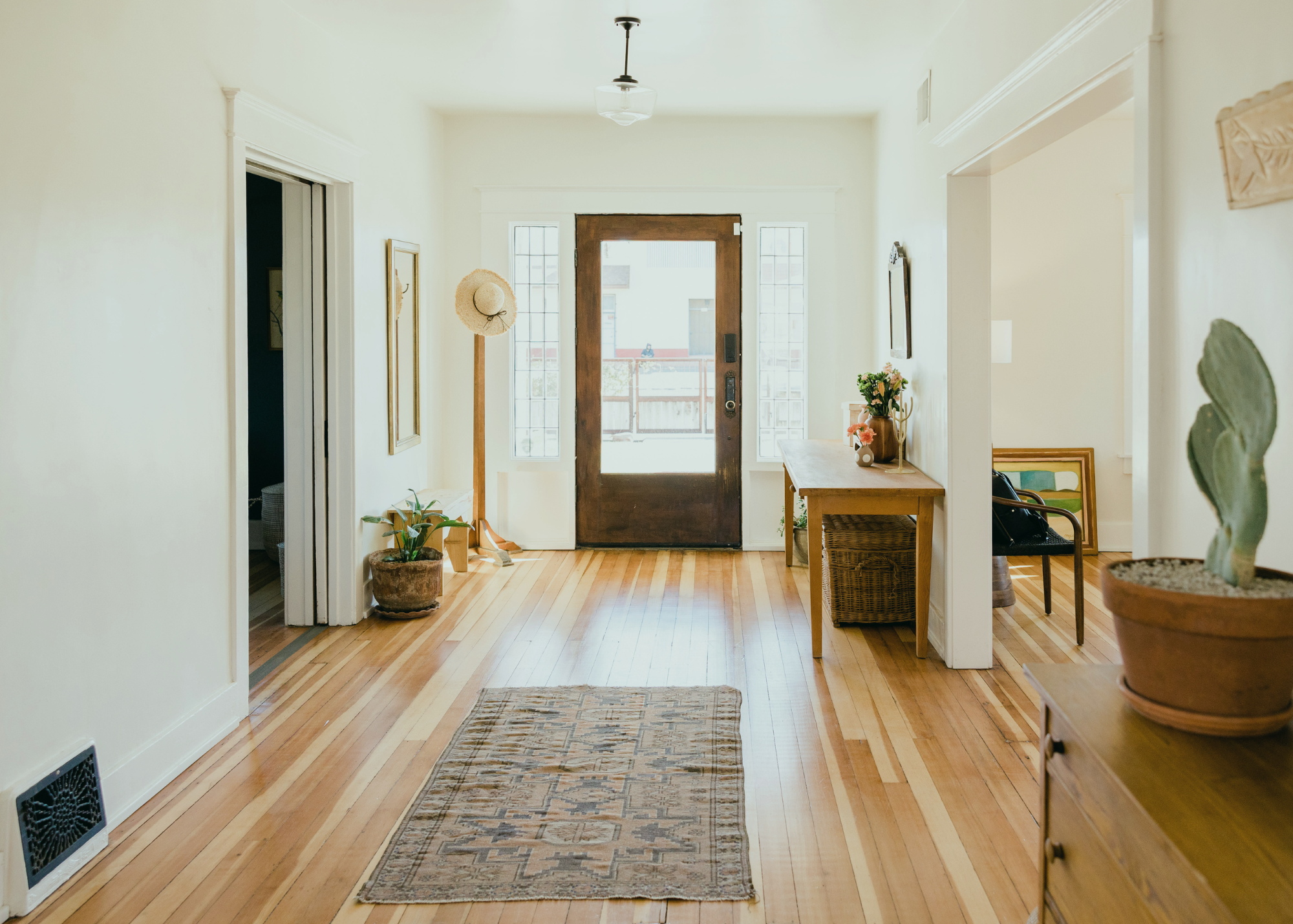
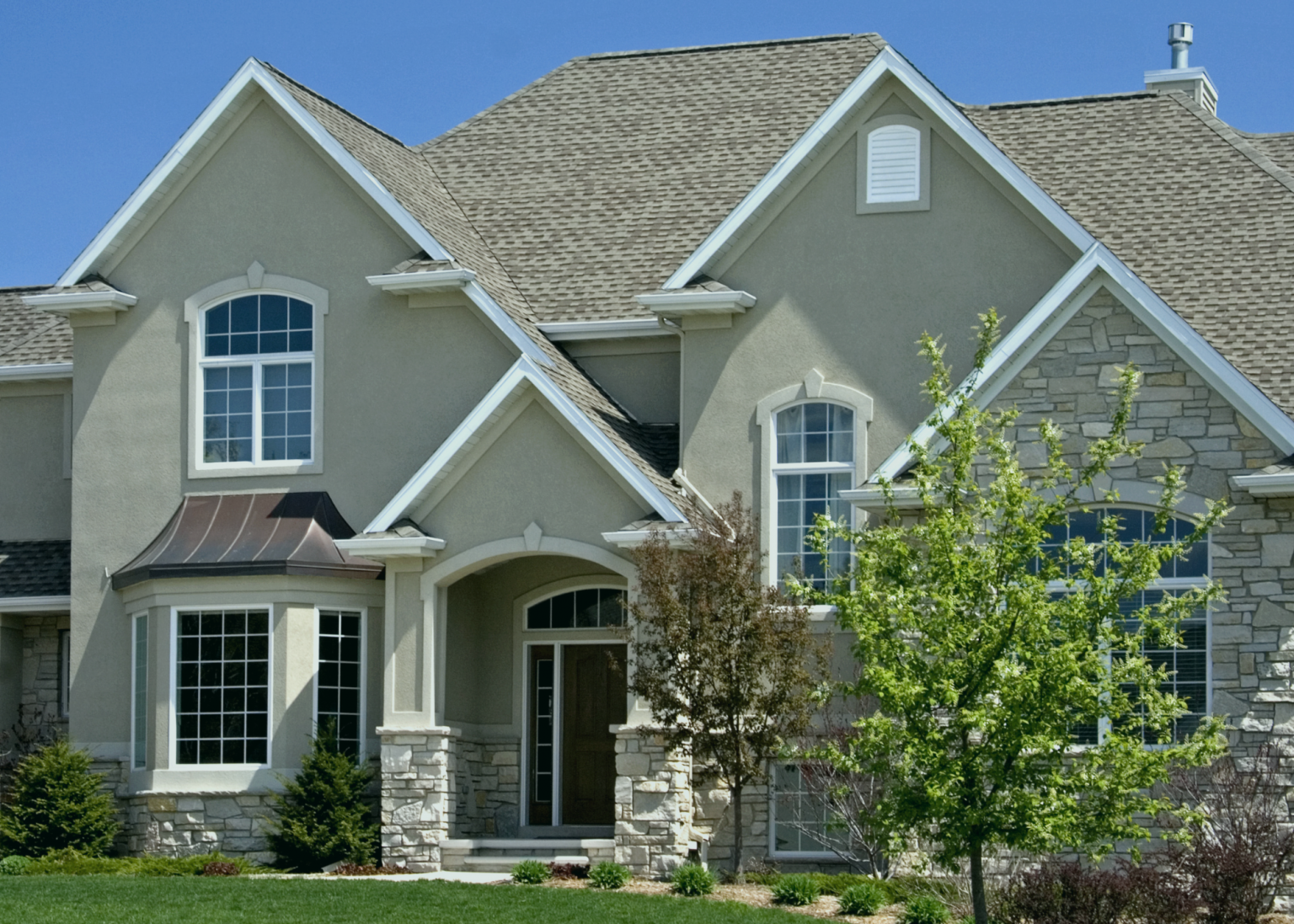
| Exterior and curb appeal projects | Enhances first impressions |
Routine maintenance also protects long-term property value and helps prevent costly issues later.
Economic Conditions Influence Home Values
The broader economy also affects housing markets. Employment growth, wage increases, inflation, and consumer confidence all play a role in property appreciation.
Strong local economies often support healthier real estate markets and stronger long-term value growth.
How to Calculate Home Appreciation
You can estimate appreciation using a simple formula:
Example Calculation
| Value | Amount |
| Original Purchase Price | $250,000 |
| Current Home Value | $325,000 |
Calculation result:
- Appreciation gained: $75,000
- Percentage increase: 30%
In this example, the property appreciated by 30% since purchase.
Can Home Values Go Down?
Yes. Although home values generally rise over the long term, real estate markets can experience temporary declines.
Common reasons home values may decrease include:
- Economic recessions
- Rising mortgage rates
- Oversupply of homes
- Population declines
- Natural disasters or environmental concerns
However, long-term homeownership has historically helped smooth out short-term market fluctuations.
Why Home Appreciation Matters
Increasing home values can create several financial opportunities for homeowners.
Increased Home Equity
As your home appreciates, your equity grows. Equity may later become a valuable financial resource.
Refinancing Opportunities
Higher home values may help homeowners qualify for refinancing or eliminate private mortgage insurance (PMI).
Selling for a Profit
Home appreciation may allow sellers to earn more than their original purchase price.
Access to Home Equity
Some homeowners use equity for renovations, debt consolidation, or major expenses through home equity financing.
Tips to Maximize Your Home’s Value
If you want to improve your home’s appreciation potential over time, consider these strategies:
- Stay current on routine maintenance
- Invest in strategic renovations
- Improve curb appeal
- Upgrade energy efficiency
- Monitor local market trends
- Buy in areas with strong growth potential
Even smaller improvements can help preserve and increase property value over time.
Is Buying a Home Still a Good Investment?
While no investment is guaranteed, real estate has historically remained a strong long-term wealth-building tool for many Americans. Along with housing stability, homeownership offers opportunities to build equity and benefit from appreciation over time.
For buyers entering the market, understanding how property values grow can help create realistic expectations and long-term financial goals.
Bottom Line
Homes have historically appreciated around 4% to 5% annually over the long term, although appreciation rates vary based on market conditions, location, and property features.
Whether you’re buying your first home, refinancing, or preparing to sell, understanding home appreciation can help you make more informed real estate decisions and better prepare for your financial future.
FAQs
No SSN required. Zero impact to credit. Your Information is never sold.