


Weekly Mortgage Rate Update: Rates Moved Higher This Week
What Did Rates Do This Week?
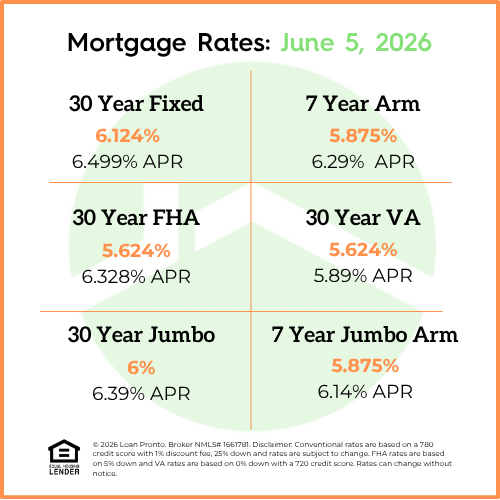
Mortgage rates moved higher this week as economic data continued to show that the U.S. economy remains stronger than expected. Several reports pointed to steady consumer spending, business activity, and a resilient job market, which pushed bond yields higher and put upward pressure on mortgage rates.
The biggest market mover came at the end of the week when the latest employment report showed stronger-than-expected job growth. While a healthy labor market is generally good news for the economy, it also reduces the likelihood of near-term Federal Reserve rate cuts. As a result, investors sold bonds, causing mortgage rates to increase.
For homebuyers, rates remain elevated compared to earlier this year, but purchase activity continues as many buyers adapt to the current market and focus on long-term homeownership goals rather than trying to perfectly time interest rates.
What to Look Forward to Next Week
Next week, mortgage markets will continue watching inflation data and any comments from Federal Reserve officials for clues about future monetary policy.
Investors remain focused on whether inflation is cooling enough to eventually allow rate cuts later this year. If inflation shows signs of easing, rates could improve. However, if inflation remains stubborn or economic data continues to come in stronger than expected, rates could remain under pressure.
Markets will also continue monitoring Treasury yields, which have been one of the primary drivers of mortgage rate movement recently.
Lock or Float Bias
Lock Bias: Moderate
For borrowers closing in the next 30 days, locking may be the safer strategy. The strong employment data shifted market sentiment toward the possibility of higher-for-longer interest rates, and rate volatility remains elevated.
For borrowers with longer closing timelines, there may still be opportunities for improvement if future inflation reports come in softer than expected. However, the near-term risk currently favors rates remaining elevated or moving slightly higher rather than making a significant move lower.
No SSN required. Zero impact to credit. Your Information is never sold.