


What Did Mortgage Rates Do This Week?
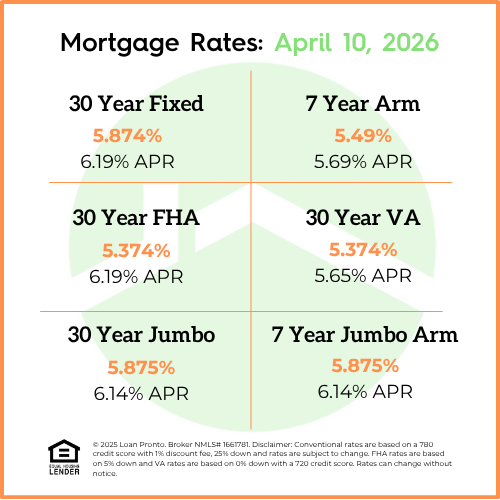
Mortgage rates were mostly unchanged this week, holding steady compared to last week as financial markets searched for direction. While rates didn’t move much, one factor that continued to influence the bond market—and ultimately mortgage rates—was oil prices.
Energy costs play a role in inflation expectations. When oil prices rise or remain volatile, markets may worry about future inflation, which can keep pressure on interest rates. Because mortgage rates are closely tied to the bond market and inflation outlook, shifts in energy markets can quickly impact rate momentum.
For now, the mortgage market appears to be in a temporary holding pattern, with investors waiting for clearer signals about inflation and economic growth before pushing rates significantly higher or lower.
For homebuyers and real estate professionals, stable rates can actually be helpful. A period of stability allows buyers to plan their financing with more confidence and reduces the uncertainty that comes with rapid rate swings.
What to Look Forward to Next Week
Next week’s market movement will likely be driven by new economic data and ongoing market sentiment.
Investors will continue watching:
- Inflation-related economic reports
- Energy and oil price movement
- Economic growth indicators
- Any comments from Federal Reserve officials
If economic data shows inflation continuing to cool, mortgage rates could begin to trend slightly lower. However, if inflation concerns remain elevated—especially due to higher energy prices—rates may remain stable or move modestly higher.
For the housing market, stability is often positive because it helps buyers feel more comfortable moving forward with purchase decisions rather than waiting for uncertain rate changes.
Lock or Float Bias
With mortgage rates holding steady and markets still reacting to inflation signals, the current bias leans slightly toward locking in rates for buyers who are under contract or planning to close soon.
While markets are relatively calm right now, factors like energy prices and economic data could introduce volatility in the coming weeks.
For buyers who are still shopping and have more time before closing, floating may still make sense if they are comfortable with some market risk. However, locking a rate can provide certainty in a market that can shift quickly.
No SSN required. Zero impact to credit. Your Information is never sold.