

Key Takeaways
-
Lenders perform a final credit check before closing to confirm financial stability.
-
Changes to credit score or debt can impact loan approval and terms.
-
New debt increases your debt-to-income ratio, which may affect eligibility.
-
Maintaining stable finances helps ensure a smooth closing process and avoids delays.
Getting preapproved and having your offer accepted marks a major milestone in the homebuying journey. However, your loan isn’t finalized until closing, and lenders continue to evaluate your financial profile during this time. A credit check before closing mortgage is a standard part of the process, and it plays a key role in confirming your eligibility. As you move closer to closing, your mortgage approval after preapproval can still change if your financial situation shifts. Because of this, understanding the final credit check mortgage approval process—and how credit affects mortgage closing—can help you avoid setbacks and stay on track.
Do Mortgage Lenders Check Your Credit Again Before Closing?
Yes, most lenders perform a final credit check before closing. This step ensures your financial situation remains consistent from preapproval through funding.
Lenders typically verify that:
- Your credit score remains stable
- You have not added new debt
- Your financial profile still meets loan guidelines
Because lenders base your approval on earlier financial data, they must confirm nothing has changed before issuing the final loan.
How Credit Changes Can Affect Your Mortgage Approval
Changes to your credit profile during escrow can directly impact your mortgage. In some cases, they may delay closing or even result in loan denial.
Lower Credit Score
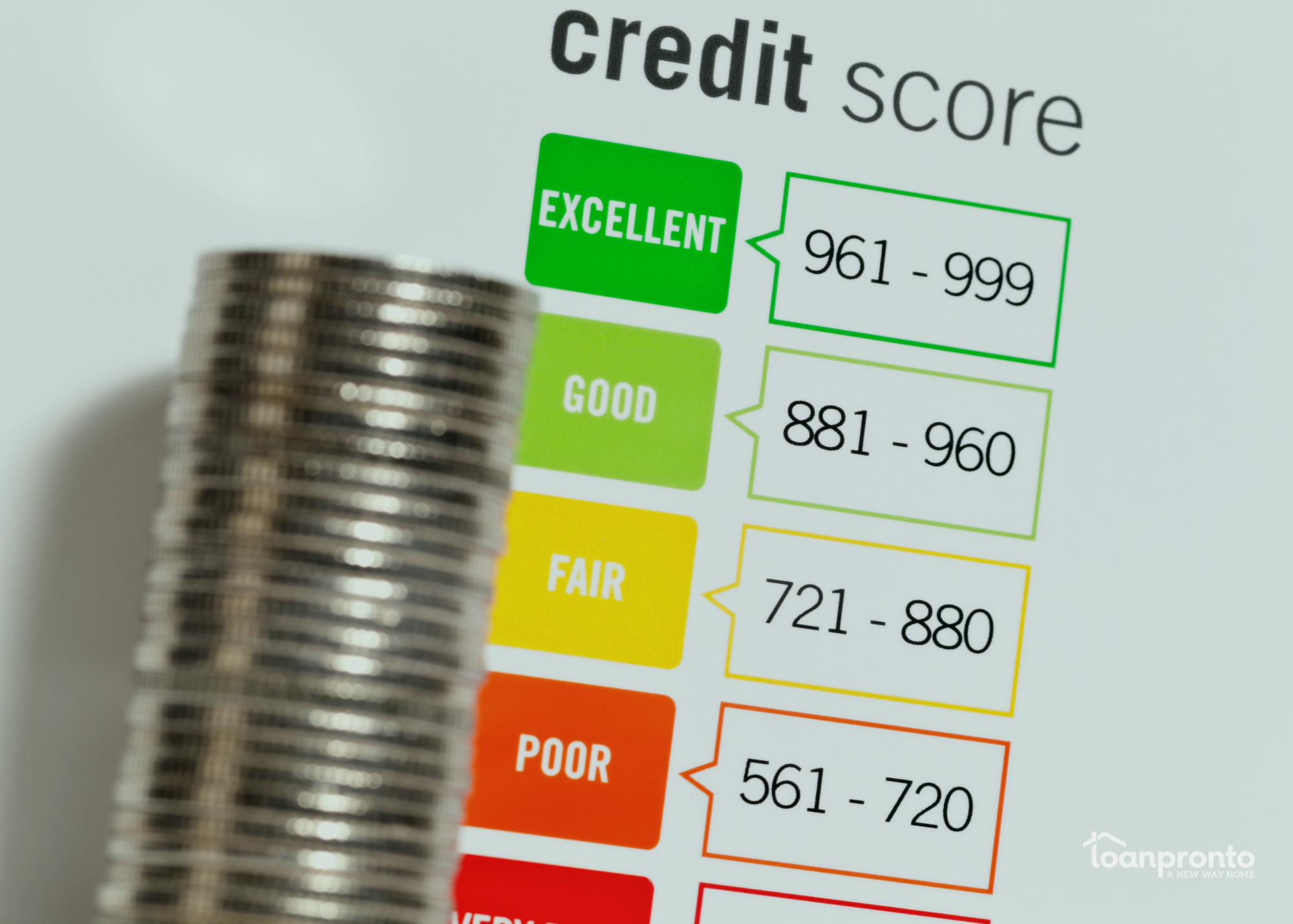
A drop in your credit score can affect both approval and loan terms. If your score falls below the lender’s requirement, you may no longer qualify for the original loan.
Even if you still qualify, a lower score can lead to higher interest rates and increased monthly payments.
Higher Debt-to-Income Ratio
Lenders closely monitor your debt-to-income (DTI) ratio when evaluating your mortgage. This ratio measures how much of your monthly income goes toward debt payments.
| Change | Impact |
| New debt added | Increases DTI ratio |
| Higher balances | Reduces borrowing capacity |
| Exceeding limits | May affect loan approval |
Because lenders review this closely, taking on new debt can quickly create complications.
Changes to Loan Terms
In some situations, your lender may still approve your loan but adjust the terms. These changes reflect the updated risk based on your credit profile.
For example, you might see a higher interest rate or additional conditions added before closing. As a result, your total loan cost could increase.
Common Mistakes to Avoid Before Closing
To protect your mortgage approval, it’s important to maintain financial consistency during escrow. Even minor decisions can impact your credit profile.
Opening New Credit Accounts
Applying for new credit can trigger a hard inquiry and increase your debt load. Both factors may affect your loan eligibility.
Making Large Purchases
Large purchases on credit—such as furniture or appliances—can increase your balances and raise your DTI ratio.
Even if you plan to pay them off quickly, lenders still factor these balances into their review.
Missing or Late Payments
Your payment history directly impacts your credit score. A missed or late payment can lower your score and create concerns for your lender.
Setting up automatic payments can help you avoid this issue.
Changing Jobs or Income
Lenders verify your employment before closing. Changing jobs or income structure can affect your approval, especially if it impacts income stability.
Before making any changes, it’s best to consult your lender.
Missing Important Deadlines
The closing process includes several key deadlines. Failing to provide documents or complete required steps on time can delay your loan.
Staying organized and responsive helps keep everything on schedule.
Tips to Protect Your Mortgage Approval
Maintaining stable finances is the best way to ensure a smooth closing process. Focus on consistency from preapproval through final approval.
You can protect your loan by:
- Avoiding new credit applications
- Keeping balances low
- Making all payments on time
- Maintaining steady employment
- Communicating with your lender before changes
These steps help preserve your financial profile and reduce the risk of last-minute issues.
The Bottom Line
Lenders almost always perform a final review before funding your loan, and that includes checking your credit again. Because of this, changes during escrow can impact your mortgage approval, loan terms, or closing timeline.
By keeping your finances stable and understanding how credit affects the process, you can move toward closing with confidence and avoid unnecessary complications.
FAQs About Credit Changes
No SSN required. Zero impact to credit. Your Information is never sold.