


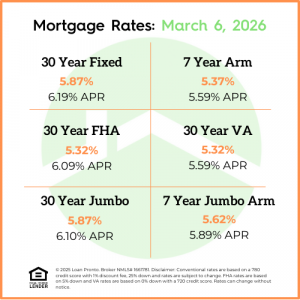
Mortgage rates moved higher this week, even though the latest payroll data showed a significant drop in job growth.
Normally, weaker employment data can help push mortgage rates lower because it signals a slowing economy. However, global events shifted market sentiment. Rising tensions involving Iran pushed oil prices higher, which raised concerns about inflation and economic uncertainty. When inflation risks increase, mortgage rates often move upward as well.
As a result, the mortgage market saw rates climb slightly despite the weaker jobs report, creating a mixed signal environment for buyers and lenders.
For realtors and homebuyers, the key takeaway is that global economic events can influence mortgage rates just as much as domestic economic data.
What to Look Forward to Next Week
Next week, the mortgage market will continue watching several factors that could influence mortgage rate trends and housing market activity, including:
- Inflation data updates
- Federal Reserve commentary
- Energy price movement tied to global conflicts
- Treasury yield movement
Markets will also continue digesting the latest jobs report and looking for signals about the overall strength of the economy.
If inflation concerns continue rising due to energy prices, mortgage rates could remain under upward pressure in the short term. However, any signs of slowing economic growth could help stabilize the market.
Lock or Float Bias
Current Bias: Neutral to Slight Lock
- Closing soon → Locking may be the safer option given the recent upward movement in mortgage rates.
- Closing later → Floating may still be possible, but markets could remain volatile depending on inflation and global developments.
Mortgage rates are still within a relatively favorable range historically, but short-term volatility may continue.
For buyers entering the market now, incentives like covered appraisal costs on new purchases can help improve affordability while navigating rate fluctuations.
No SSN required. Zero impact to credit. Your Information is never sold.